Welcome to Greensun Solar Energy, please call
+86 187 1510 8506
for help
 English
 français
 español
 العربية
Lithium batteries available on the market are generally categorized into several types: lithium iron phosphate (LFP), ternary lithium batteries (NCM/NCA), lithium cobalt oxide (LCO), lithium manganese iron phosphate (LMFP), and lithium manganese oxide (LMO).
In the power and energy storage sectors, LFP and ternary lithium batteries predominantly dominate the market.
Today, we will briefly discuss the characteristics of these two battery types.
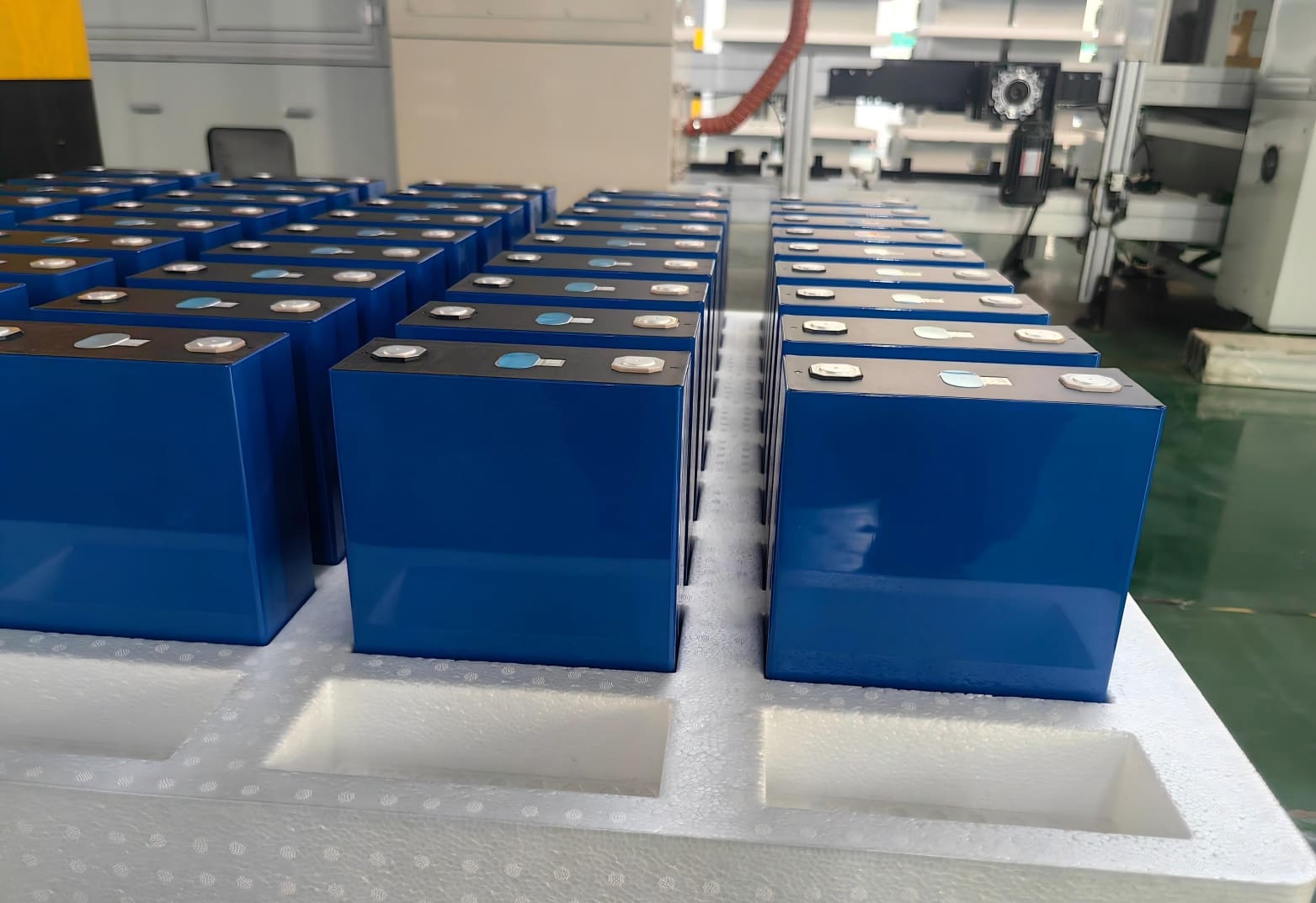
Lithium Iron Phosphate (LiFePO4) Batteries
1. Low Cost: The primary costs of lithium batteries include the positive and negative electrode materials, separator, electrolyte, casing, and other components. Lithium iron phosphate (LiFePO4) batteries mainly use iron phosphate and lithium carbonate as raw materials, which constitute the main cost components. Iron phosphate is abundant and readily available in nature.
2. High Safety: Lithium iron phosphate (LiFePO4) materials exhibit excellent chemical stability due to their unique olivine crystal structure.
3. Long Cycle Life: Lithium iron phosphate batteries demonstrate a long cycle life because of the stability of their materials.
Ternary Lithium Batteries
1. High Cost: This is primarily due to the expensive raw materials used in the manufacturing process, such as nickel, cobalt, and manganese, which are valuable metals.
2. Poor Safety: Ternary materials readily decompose and release oxygen at high temperatures. During thermal runaway, the released oxygen reacts with the electrolyte, causing the battery to catch fire and potentially explode.
3. Poor Cycle Performance: Ternary materials possess a layered structure that is susceptible to structural collapse, resulting in capacity degradation.
In summary, lithium iron phosphate batteries have captured a significant share of the power and energy storage market due to their notable advantages, including low cost, high safety, and long cycle life.



 IPv6 network supported