Welcome to Greensun Solar Energy, please call
+86 187 1510 8506
for help
 English
 français
 español
 العربية
What are high-voltage batteries?
In the field of energy storage, battery systems with rated voltages ranging from 90 V to 1000 V are generally classified as high-voltage systems.
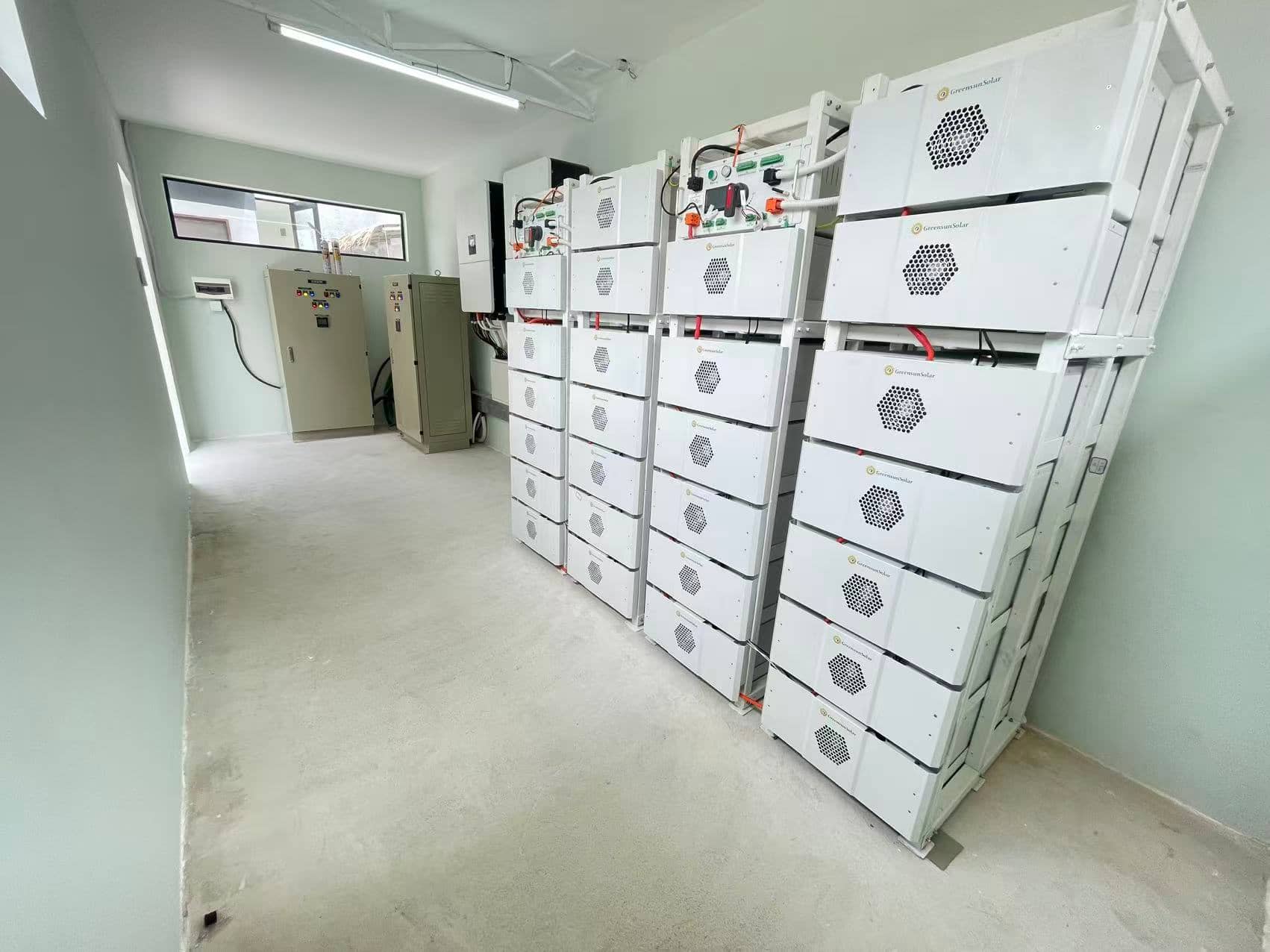
What are the advantages of high-voltage batteries?
1.One advantage of high-voltage batteries is the improved energy conversion efficiency in energy storage systems. In applications with high energy demand, a higher voltage means the energy storage system requires less current to deliver the same power, thereby reducing heat generation during operation and minimizing unnecessary energy loss.
2. High-voltage battery systems also provide scalability.
3.High-voltage battery systems are highly effective at managing high-power surges, which significantly enhance the stability and reliability of power consumption. This capability protects critical loads, improves efficiency, and reduces costs.
What are low-voltage batteries?
In energy storage applications, batteries with an operating voltage typically ranging from 12V to 60V are classified as low-voltage batteries. These batteries are commonly used in systems that prioritize safety, ease of installation, and cost-effectiveness, making them especially suitable for applications that do not require continuous high-power output.
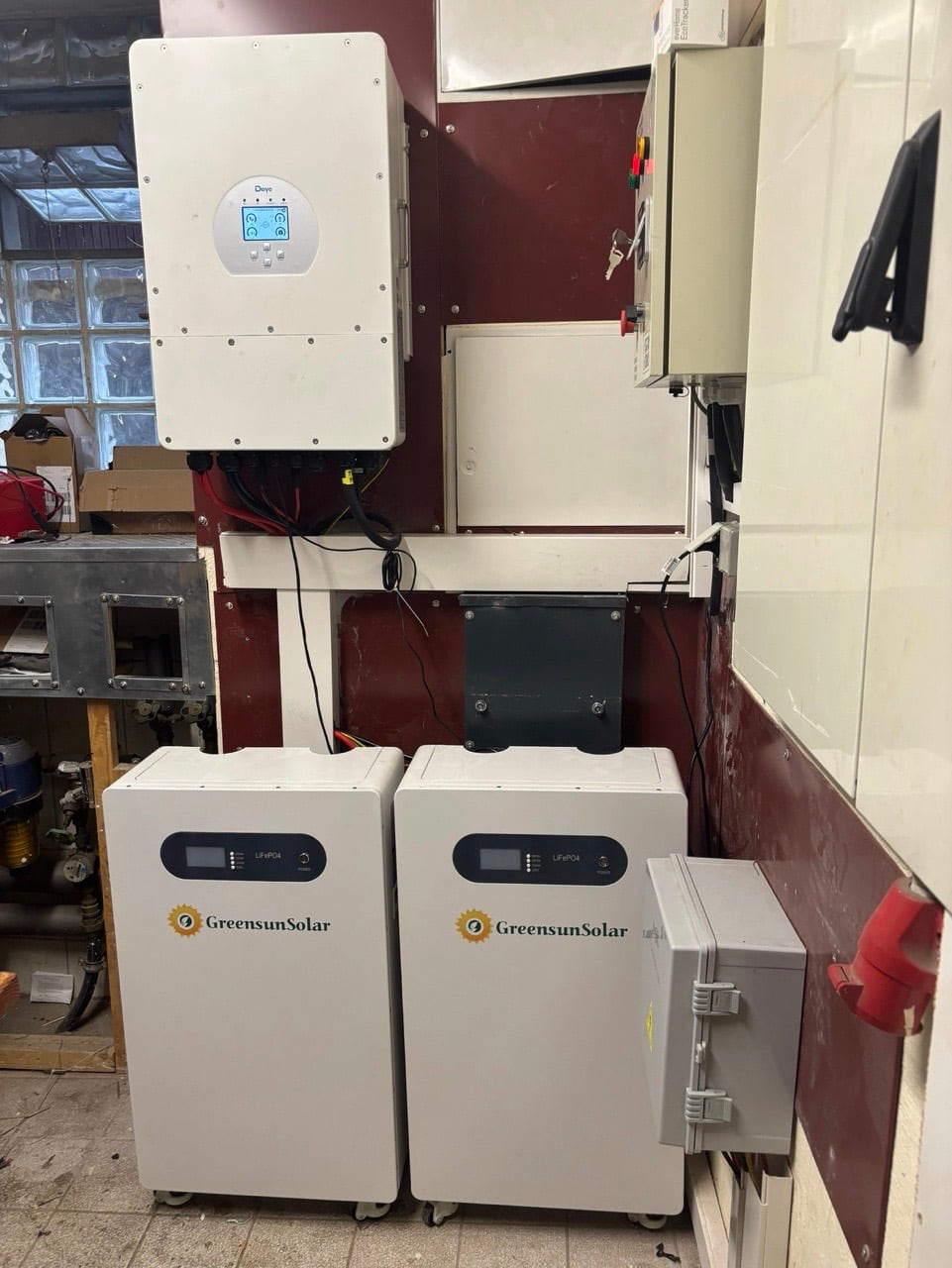
Advantages of Low-Voltage Batteries.
1. Low voltage significantly reduces risks during battery installation, use, and maintenance.
2. Low-voltage batteries are more cost-effective and affordable because they require less complex Battery Management Systems (BMS) and benefit from more mature technology.
Which energy storage method best suits your needs?
Low-Voltage Battery Systems
- Residential Solar Energy Storage: Stores electricity generated during the day for use during peak hours or at night.
- Emergency Backup Power: Maintains the operation of critical appliances and equipment during power outages or voltage fluctuations.
High-Voltage Battery Systems
- Commercial Energy Storage: Ideal for companies with large solar arrays or other renewable energy projects.
- Electric Vehicle (EV) Infrastructure: High-voltage batteries are well-suited for powering EV charging stations and fleets.
- Grid-Scale Energy Storage: Utility companies and energy service providers often rely on high-voltage systems to manage large energy flows and maintain grid stability.



 IPv6 network supported