Welcome to Greensun Solar Energy, please call
+86 187 1510 8506
for help
 English
 français
 español
 العربية
What is an integrated energy storage system?
An integrated energy storage system combines the battery, inverter, and charge controller into a single unit. This design makes it easy to install and use, making it a popular choice for customers who want a hassle-free energy solution.
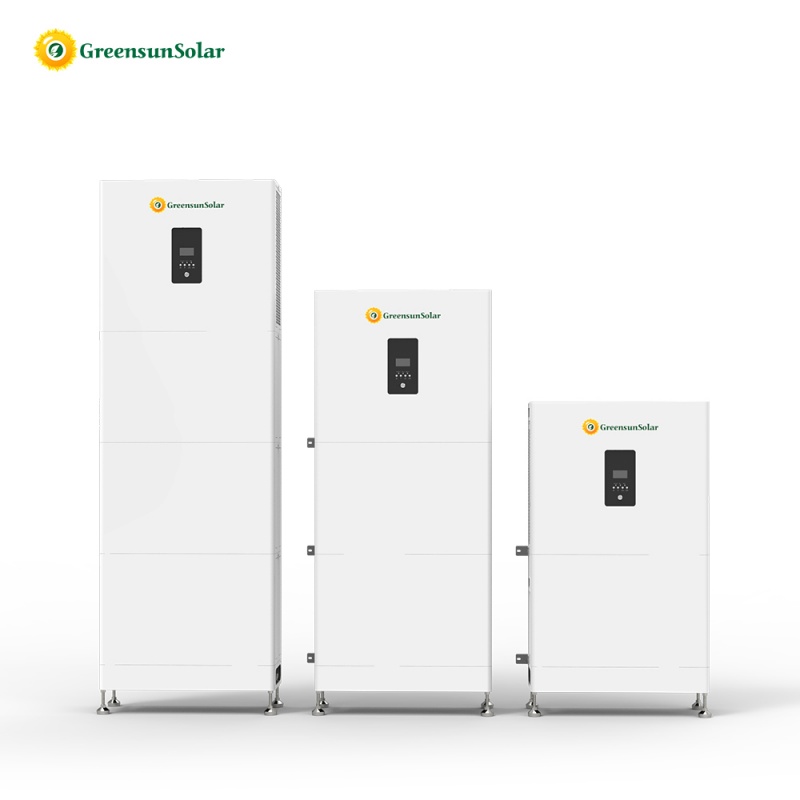
Advantages:
1. Easy installation: Pre-configured and "plug-and-play," reducing installation time. For example, a typical 5kWh integrated system can achieve "10-minute quick installation" or "30-minute station setup."
2. Space-saving: The compact design minimizes the footprint, making it ideal for small homes and urban apartments.
3. Lower upfront cost: Generally, integrated systems are more affordable initially compared to split ESS. According to EnergySage, the average cost of an integrated system in 2024 is around $5,000, while split systems can cost up to $8,000.
4. Simple maintenance: Since all components are integrated, troubleshooting and repairs are straightforward, requiring fewer separate diagnostics.
Disadvantages:
1. Limited scalability: It is difficult to upgrade or expand storage capacity without replacing the entire unit.
2. Potential overheating: Since all components are housed together, heat buildup may affect performance over time.
3. All-or-nothing repair: If one component (e.g., the inverter) fails, the entire unit may need servicing or replacement.
What is a split energy storage system?
A split energy storage system consists of separate components – battery, inverter, and charge controller. This setup offers greater flexibility, allowing users to customize and expand their system as needed.
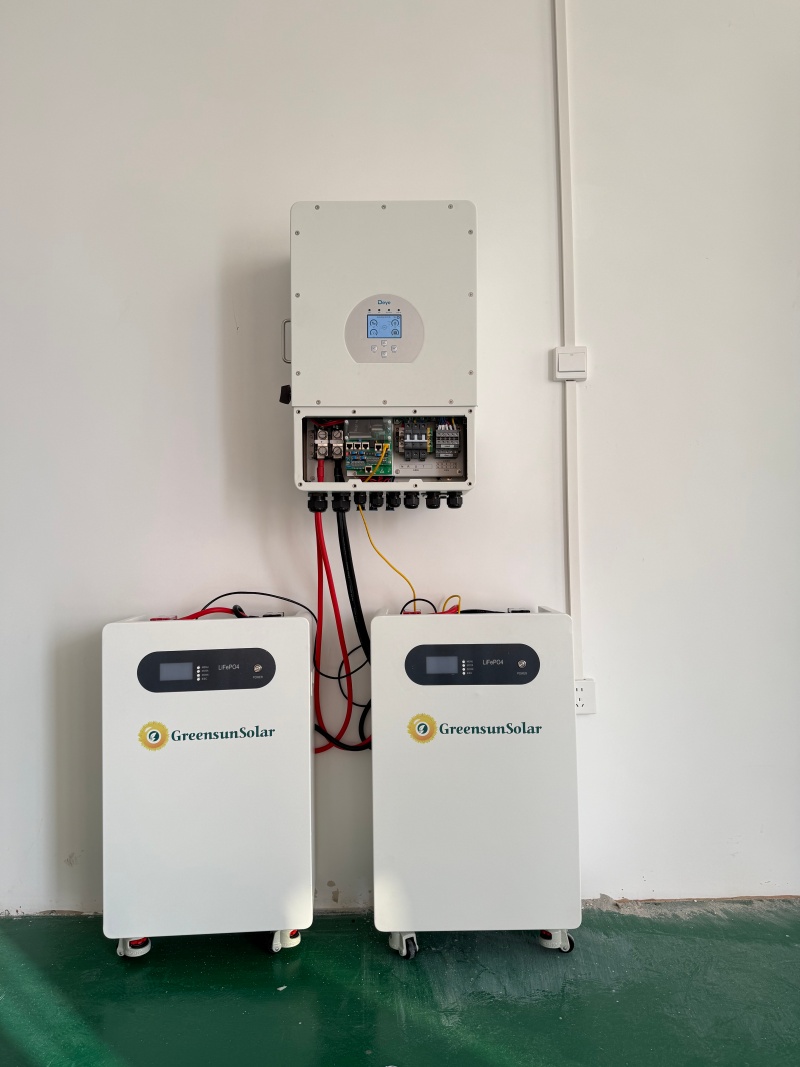
Advantages:
1. Higher scalability: As energy needs grow, you can add more batteries or upgrade the inverter. For instance, some European customers who expanded their solar panel systems were able to double their battery capacity using a split ESS without replacing the original inverter.
2. Better thermal management: Separate components allow for better airflow and cooling, making them more reliable in high-power applications.
3. Customizable: Users can choose different brands and models for each component, ensuring the best fit for their specific needs.
4. Potential for longer lifespan: If one component fails, only that specific part needs to be replaced, reducing overall system downtime and long-term costs.
Disadvantages:
1. Higher initial cost: Purchasing separate components can cost more upfront.
2. More complex installation: Requires professional installation and careful system configuration to ensure compatibility.
3. Requires more space: Since the battery and inverter are separate, the installation demands more physical space.



 IPv6 network supported